Is it safe to cook with olive oil? ?
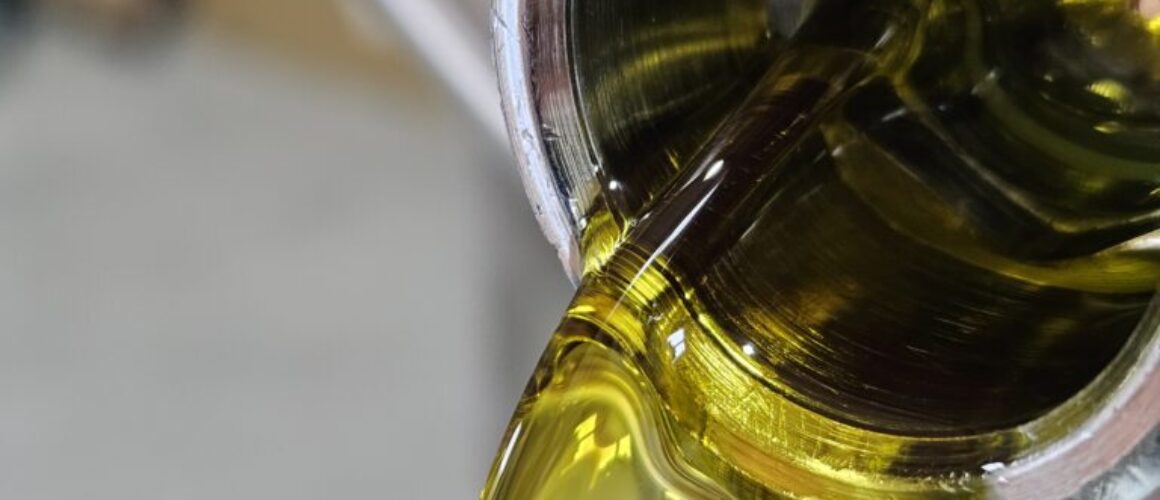
Olive oil is often associated with salads and dressings. Yet, a question comes up frequently : can you cook with olive oil without risk? ? The answer is oui. Contrary to some received ideas, extra virgin olive oil tolerates cooking very well when used under normal cooking conditions.
In this article, let's find out why olive oil is perfectly suited to cooking and how to use it to take full advantage of its qualities.
A preconceived idea that dies hard.
We often hear that olive oil should never be heated because it will become toxic.. This statement is false.
Scientific studies show that Extra virgin olive oil is one of the most heat-stable vegetable oils. This stability is explained by its natural composition, rich in oleic acid, a monounsaturated fatty acid particularly resistant to oxidation, as well as in polyphenols, antioxidants that protect the oil during cooking.
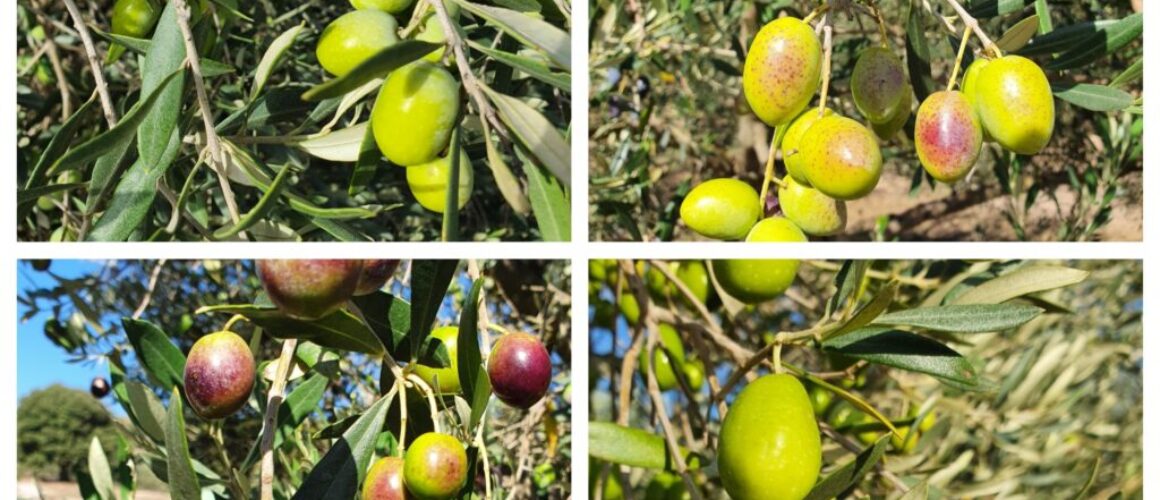
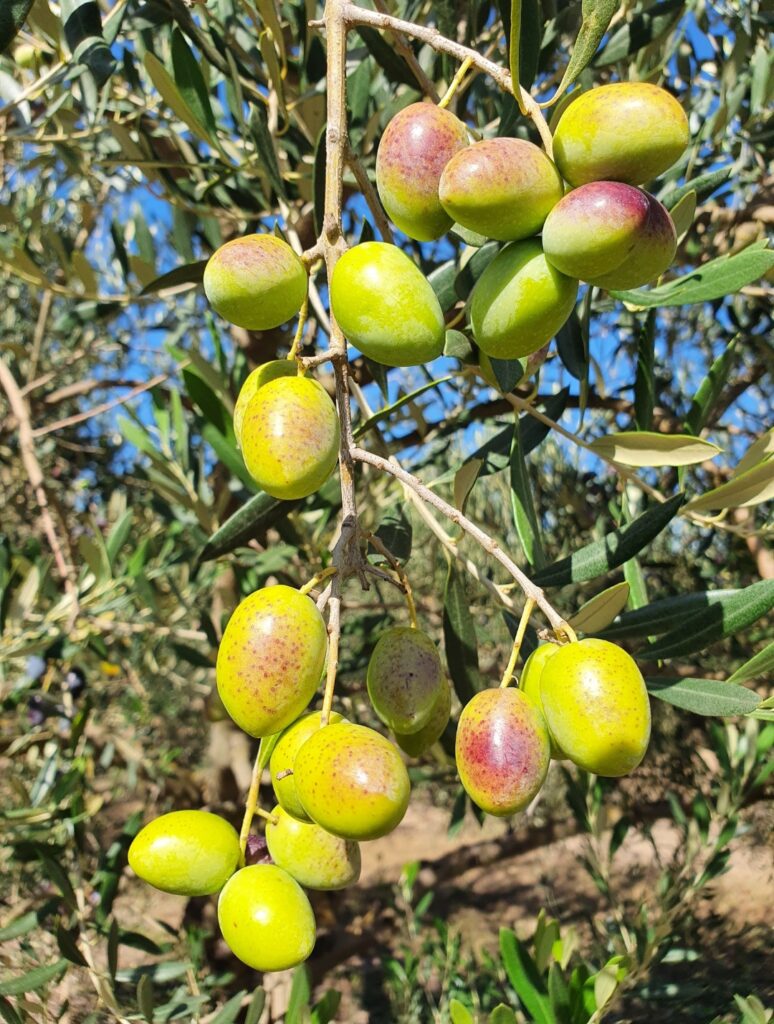
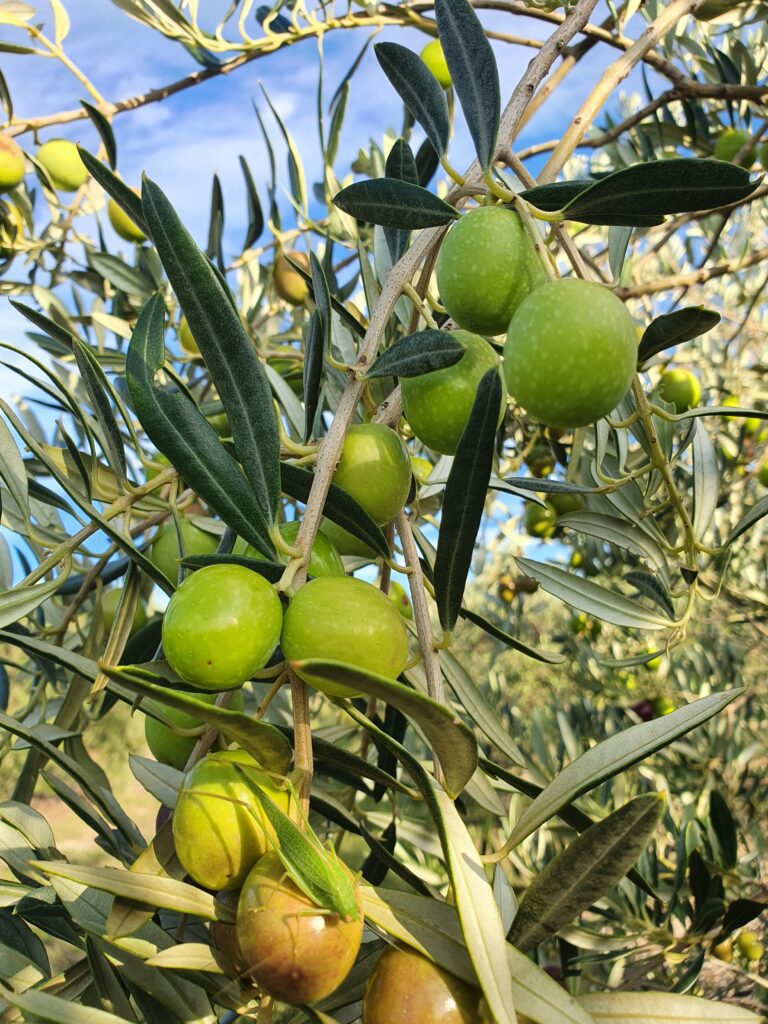
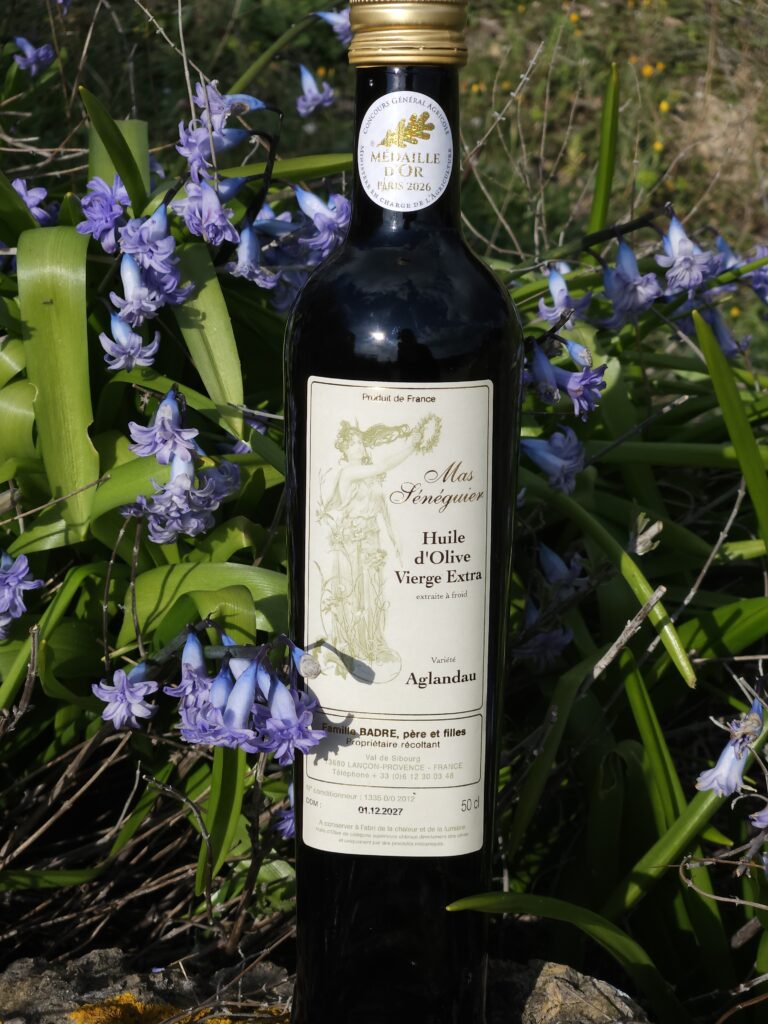
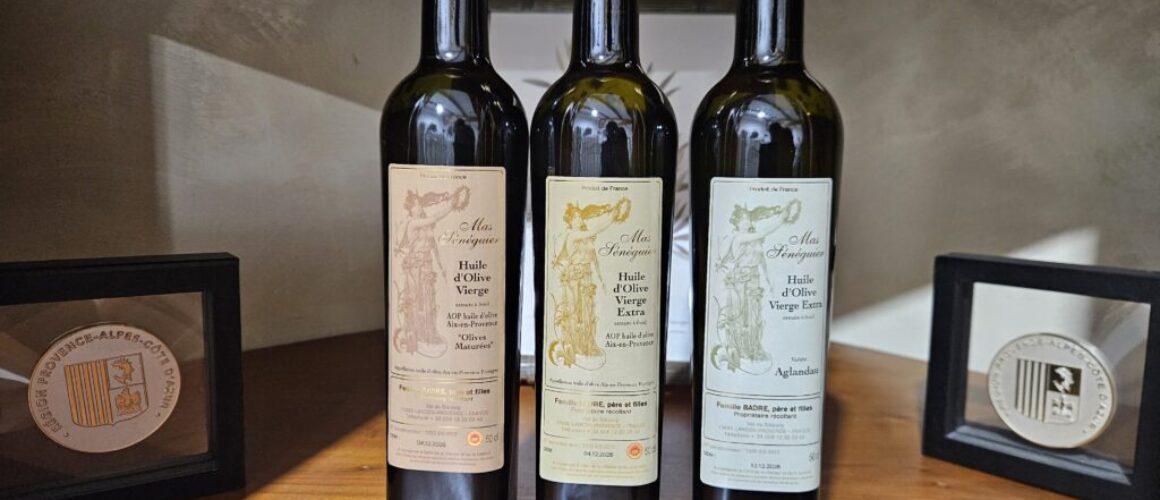
For cooking, we advise you to opt for our AOP Aix en Provence fruity green and Aglandau oils, because our AOP Aix en Provence matured olive oil, due to its manufacturing method, tolerates heat less well.
What is the smoke point of olive oil ?
Le smoke point corresponds to the temperature at which an oil begins to degrade and produce visible smoke.
On average :
- Extra virgin olive oil : 190 at 210 °C
- Virgin olive oil : 200 at 215 °C
- Refined olive oil : 220 at 240 °C
Or, the majority of daily cooking remains well below :
- pan cooking : 160 at 180 °C
- cooking vegetables : 140 at 170 °C
- baking : 160 at 200 °C
Under these conditions, olive oil perfectly retains its qualities.
What are the benefits of cooking with olive oil? ?
Excellent stability
Thanks to its high content of monounsaturated fatty acids, olive oil resists oxidation better than many oils rich in polyunsaturated fatty acids.
Rich in antioxidants
The polyphenols present in extra virgin olive oil help limit the degradation of the oil during cooking.. Some of these compounds are preserved, especially during gentle cooking.
An incomparable flavor
In addition to protecting food, olive oil brings unique aromas : fresh herb notes, artichoke, almond or even tomato depending on the olive varieties.
Can you fry with olive oil ?
Oui.
Olive oil can be used for frying, provided you respect a few simple rules :
- do not exceed approximately 180 °C ;
- avoid letting the oil smoke ;
- filter the oil after use if it is reused ;
- do not multiply the heating cycles.
Thanks to its stability, it often tolerates frying better than certain seed oils.
In conclusion.
Oui, it is entirely possible to cook with olive oil without risk. Thanks to its richness in monounsaturated fatty acids and antioxidants, it is one of the most stable oils for everyday cooking. As long as you don't overheat it to its smoke point., it retains its nutritional qualities while bringing an incomparable flavor to your dishes.
Choose one extra virgin olive oil produced with care allows you to take full advantage of its benefits, both raw and cooked.